How to prepare for a legal consultation
Why preparation makes your consultation more useful
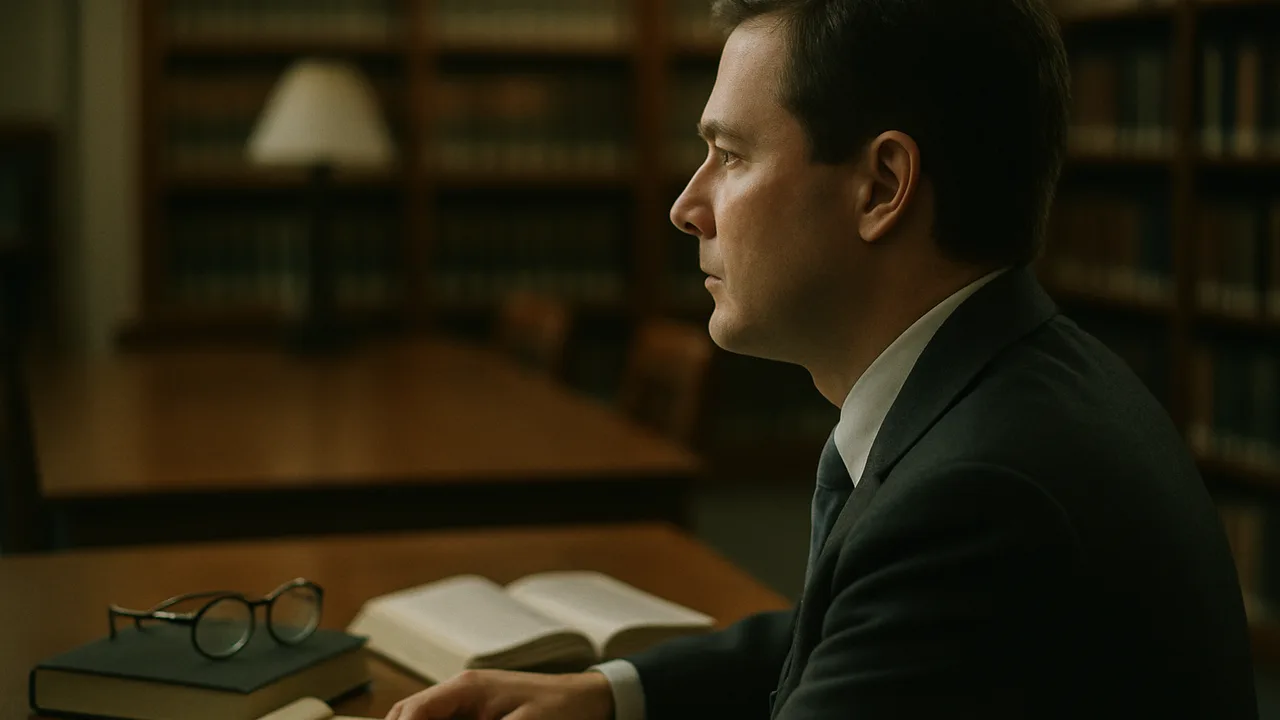
A legal consultation is often limited in time, and the quality of the advice you receive depends heavily on how clearly you present your situation. When you arrive unprepared, much of the meeting can be spent piecing together basic facts, leaving little room for the analysis and guidance you actually came for. Preparation lets your advisor spend the session interpreting your problem rather than reconstructing it. For a private individual dealing with a disputed invoice or a small business owner facing a contract disagreement, this difference can determine whether you leave with a concrete plan or only a vague impression. Good preparation also helps you think through your own priorities. The act of writing down your questions and organizing your papers frequently reveals gaps in your understanding, or points you had not considered, such as a deadline you were about to miss. It also reduces stress: walking into a meeting with a folder in order and a short written summary gives you confidence and keeps the conversation focused. Finally, being prepared shows respect for the professional's time and often results in more precise answers, because the advisor can rely on the accuracy of the information you provide rather than guessing at missing details.
Clarify your goal and the main questions you want answered
Before booking anything, ask yourself what outcome you are hoping for. Do you want to end a contract, recover money owed, defend yourself against a claim, or simply understand your rights before deciding? Your goal shapes everything that follows, because a consultation aimed at negotiating a settlement is different from one aimed at preparing for litigation. Write your objective in one or two sentences in plain language, for example: 'I want to know whether I can cancel this service contract without paying a penalty.' If you have several concerns, list them and rank them by importance, because you may not have time to cover everything. Separating the essential from the merely curious ensures the critical issue gets addressed first. It also helps to be honest about your constraints, such as your budget, your appetite for a long procedure, or your wish to preserve a business relationship. A clear goal allows your advisor to give practical, tailored advice instead of a general lecture. If your goal is unclear even to you, say so directly; part of the consultation can then be devoted to helping you define what you actually want.
Gather and organize the documents your advisor will need
Documents are the backbone of most legal questions. Collect everything relevant to your situation and arrange it so that anyone can follow it. For a contract dispute, this typically includes the signed agreement and any annexes, general terms and conditions, invoices, proof of payment, and written exchanges such as emails or letters. For a transaction, gather the draft documents, correspondence about the terms, and any receipts or deposit confirmations. Make photocopies or scans so you keep your originals safe, and put the papers in a logical order, usually chronological. Highlight or flag the passages that matter, such as a cancellation clause or a payment deadline, so you can find them quickly. If a document is in another language or is very technical, note that in advance. Avoid the temptation to bring everything you own; a mountain of irrelevant paper slows the meeting. Instead, select what directly supports or explains your problem. A short cover sheet listing the documents in the folder helps both you and your advisor navigate them efficiently during the session.
Write a clear timeline of events and key facts
Legal problems usually unfold over time, and the sequence of events often determines who is right and what deadlines apply. Prepare a simple chronological summary that lists the important dates and what happened on each. For example: the date the contract was signed, the date the goods were delivered, the date you first complained, the date you sent a formal notice, and the date you received a reply. Keep each entry short and factual, avoiding opinions or emotional commentary. Stick to what actually happened and what you can prove. This timeline serves two purposes: it helps you recall events accurately under the pressure of the meeting, and it lets your advisor spot issues you might overlook, such as a limitation period that is close to expiring. Where a date is uncertain, mark it as approximate rather than guessing precisely. A one-page timeline is often the single most useful document you can prepare, because it turns a tangled story into a structure your advisor can analyze at a glance.
Prepare a list of questions to ask during the meeting
Even a well-organized person forgets things once the conversation begins, so write your questions down in advance and bring the list with you. Start with the questions that matter most to your goal, then add secondary ones. Useful questions often include: What are my rights and obligations in this situation? What are my realistic options? What are the risks and likely costs of each option? How long might the process take? What deadlines must I respect? What documents or evidence am I missing? What should I do, or avoid doing, in the meantime? If you expect specific advice, phrase your questions concretely rather than generally; asking 'Can I stop paying while I dispute the invoice?' produces a more practical answer than 'What are my options?'. Leave space beside each question to note the answer. As the discussion progresses, tick off the questions you have covered so nothing is missed. If you run short of time, you will at least have addressed the questions you ranked as most important.
Understand fees, scope, and confidentiality before you start
It is entirely reasonable to clarify practical arrangements at the beginning of the consultation, before diving into your problem. Ask how the fees work: whether the meeting is charged at a fixed rate, by the hour, or as part of a package, and what happens if further work is needed afterwards. Understanding costs upfront prevents unpleasant surprises and helps you decide how far to proceed. Clarify the scope as well, meaning what the consultation will and will not cover. A single meeting may be enough to assess your situation but not to handle a full procedure, so ask what the next steps and their costs would look like. Confidentiality is another point worth confirming, as it reassures you that you can speak openly about sensitive matters. If you are a small business owner, consider whether the advice concerns you personally or your company, since this can affect who the client is and how the file is handled. Raising these points early sets clear expectations and lets the rest of the meeting focus on substance.
What to bring and how to take notes during the consultation
On the day, bring your organized folder of documents, your timeline, your list of questions, and a way to take notes, whether a notebook or a device you are comfortable using. Bring a form of identification and any reference numbers relevant to your case. During the meeting, listen carefully and write down the key points of the advice, especially any actions you must take and the deadlines attached to them. Do not rely on memory alone; complex advice fades quickly. If something is unclear, ask for it to be repeated or explained in simpler terms rather than nodding along. It is perfectly acceptable to say you did not understand a legal term. Note down not just conclusions but the reasons behind them, so you can follow the logic later. If several options are discussed, record the pros and cons of each. Before leaving, summarize aloud what you understood and what you are supposed to do next, so any misunderstanding can be corrected on the spot.
Next steps: reviewing advice and following up afterwards
Shortly after the consultation, while the discussion is fresh, review your notes and turn them into a short action list. Write down each task, who is responsible for it, and its deadline, then diarize any important dates so you do not miss them. If the advice was to send a formal letter, respond to a claim, or gather additional documents, plan when you will do it. If anything remains unclear once you reread your notes, prepare a concise follow-up question rather than letting confusion linger. Keep your folder and notes together in one place so you can find them when needed, and update your timeline as new events occur. If your situation changes significantly, a second consultation may be worthwhile, and your organized file will make it far quicker. Above all, act on the advice within the timeframes discussed, because legal matters are often time-sensitive and a good plan is useless if deadlines pass. Treating the consultation as the start of a process, rather than a one-off event, gives you the best chance of resolving your problem effectively.
Example
Consultation preparation checklist by category
| Category | What to prepare | Why it matters |
|---|---|---|
| Goal | One or two sentences describing your desired outcome | Keeps the meeting focused on what you actually want |
| Documents | Contracts, invoices, correspondence, proof of payment | Provides the factual basis for accurate advice |
| Timeline | One-page list of key dates and events | Reveals deadlines and clarifies the sequence of events |
| Questions | Ranked list of specific questions | Ensures the most important points are covered first |
| Practical | Fees, scope, confidentiality queries | Prevents surprises and sets clear expectations |
| Follow-up | Notebook or device for notes | Captures actions and deadlines to act on afterwards |
FAQ
How long does a legal consultation usually last? It varies, but many initial consultations last between thirty minutes and an hour. Because time is limited, ranking your questions by importance ensures the most critical issues are addressed even if you cannot cover everything.
Should I bring original documents or copies? Bring copies or scans for the advisor to keep or annotate, and keep your originals safe. If an original signature or document is essential to the matter, bring it so it can be examined, but do not leave it behind without a clear reason.
What if I don't know exactly what my legal problem is? That is common and perfectly acceptable. Describe your situation honestly and explain what worries you. Part of the consultation can then help identify the legal issues and clarify your options before deciding how to proceed.
Is it appropriate to ask about fees at the start? Yes. Clarifying how fees are calculated and what the consultation covers is sensible and expected. Knowing the cost upfront helps you decide how far to proceed and avoids misunderstandings later.
What should I do immediately after the consultation? Review your notes while the discussion is fresh and turn them into an action list with deadlines. Diarize important dates, complete any tasks such as sending a letter within the timeframes discussed, and keep your file organized for any follow-up.
Read next
Request a consultation